
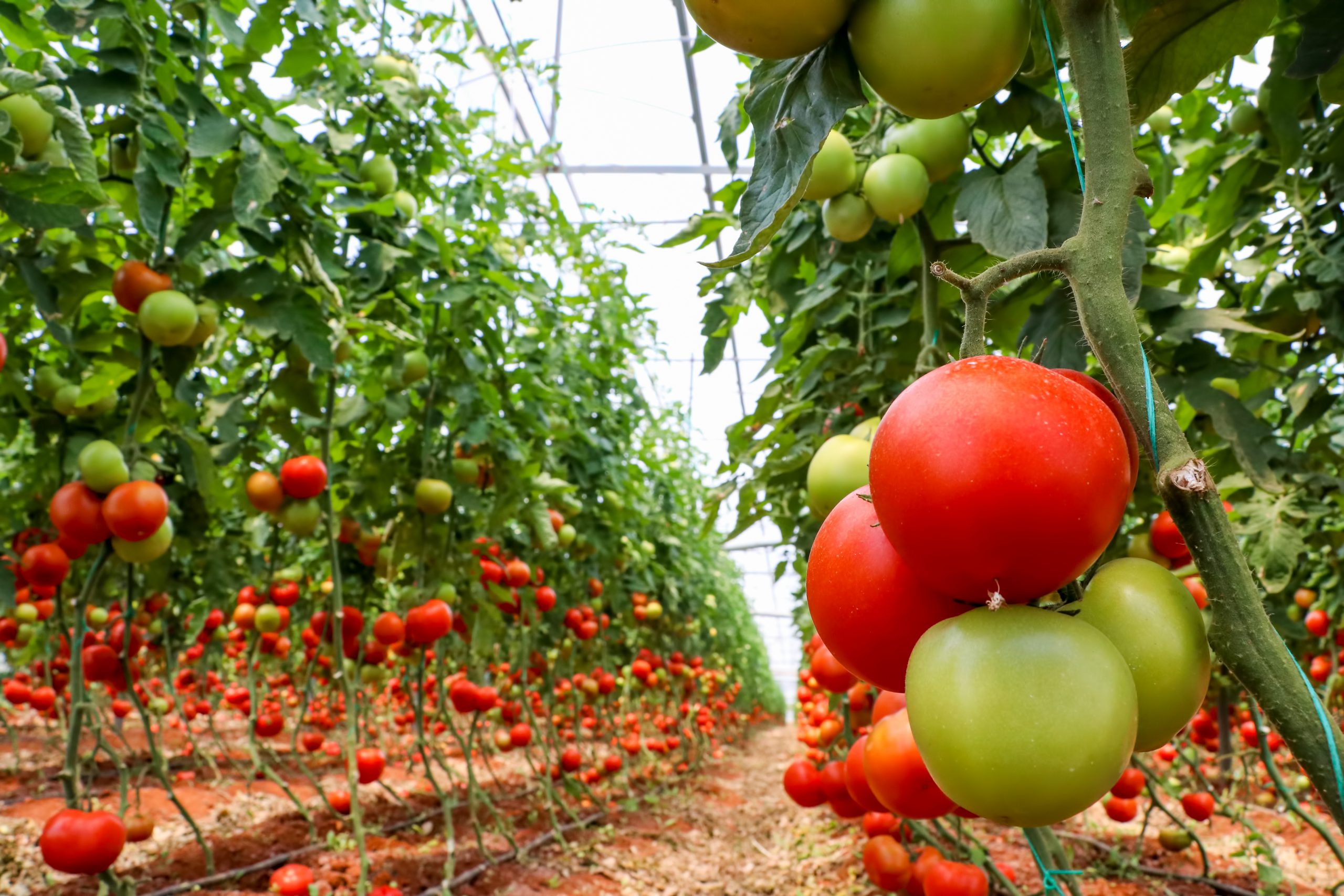
1. Plant Production:
- Soil Health and Fertility: Organic farming emphasizes maintaining and improving soil health by using organic fertilizers such as compost, manure, and green manure. These natural fertilizers provide essential nutrients to plants and help build soil structure without harming the environment.
- Use of Plant Growth Biostimulants: To boost plant health and growth, organic farmers often use plant growth biostimulants made from natural sources, such as seaweed extracts, amino acids, and plant hormones. These biostimulants stimulate root development, enhance nutrient uptake, and improve plants’ ability to cope with stress factors like drought, heat, or pests. They also help to increase overall plant vigor and resilience.
- Weed and Pest Management: Organic farming avoids synthetic pesticides and herbicides. Instead, it uses natural methods like biological control (using beneficial insects or fungi), crop rotation, and mulching to control pests and weeds. If needed, natural pesticides like neem oil or diatomaceous earth may be used.
2. Animal Production:
- Animal Welfare and Grazing: Organic livestock are raised in conditions that allow them to express natural behaviors. They have access to pasture and fresh air, and they are fed organic feed, which is free from synthetic pesticides, fertilizers, or GMOs. Organic animal products, such as meat, dairy, and eggs, are free from antibiotics, hormones, and growth stimulants.
- Health Management: While synthetic antibiotics are not used, organic livestock farmers employ preventive health practices, including maintaining clean living conditions and providing balanced, organic feed. This promotes the natural health and immunity of the animals.
3. Harvesting and Processing:
- Harvesting with Care: Once crops are mature, they are harvested without the use of synthetic chemicals. In organic farming, methods are employed that protect the integrity and quality of the food, ensuring that it remains free from pesticides and other synthetic substances.
- Processing Organic Foods: Organic processed foods, such as cereals, snacks, or beverages, are made using organic ingredients. The production process of these foods avoids synthetic preservatives, artificial flavors, and colors, ensuring the final product aligns with organic principles.
Key Elements of Organic Food Production:
- Organic Fertilizers: Natural fertilizers such as compost, manure, and seaweed extracts are essential to providing plants with nutrients and promoting soil health.
- Plant Growth Biostimulants: Biostimulants like seaweed, amino acids, and plant hormones help enhance growth, improve resilience to stress, and boost nutrient uptake.
- Sustainable Practices: Organic farming practices, such as crop rotation, mulching, and integrated pest management, help conserve resources, reduce environmental impact, and ensure the health of the ecosystem.
Why Choose Organic Food?
Organic food is produced without synthetic chemicals, GMOs, or growth hormones, making it a preferred choice for those who want to minimize their exposure to potentially harmful substances. By supporting organic food production, consumers also contribute to sustainable farming practices that protect the environment, preserve biodiversity, and promote animal welfare.
In conclusion, organic food is produced through a holistic approach that nurtures both the land and animals. By using organic fertilizers and natural plant growth biostimulants, organic farming ensures that food is grown in a way that enhances its nutritional quality while preserving the health of the planet. Organic food offers not only health benefits to consumers but also contributes to a more sustainable and environmentally responsible food system.