
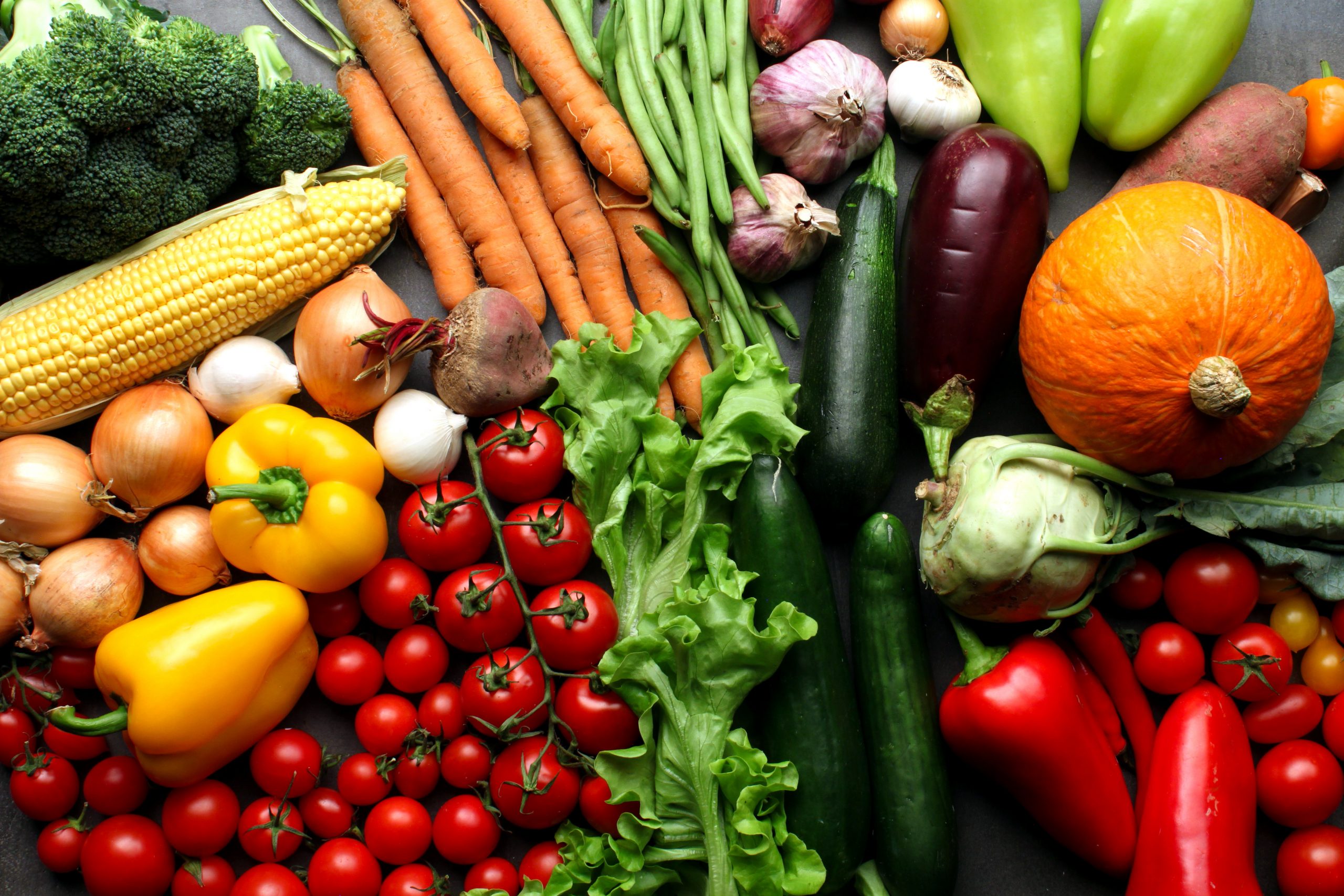
Organic food refers to food that is produced using methods that comply with organic farming standards, which emphasize environmental sustainability, animal welfare, and the avoidance of synthetic chemicals. In organic farming, the focus is on using natural processes and materials to grow and process food. Here’s a breakdown of key aspects of organic food:
- No Synthetic Chemicals or Pesticides: Organic food is grown without the use of synthetic fertilizers, pesticides, or herbicides. Instead, organic farmers use natural or non-toxic alternatives to manage pests, diseases, and weeds.
- Non-GMO (Genetically Modified Organisms): Organic food is not genetically modified. This means no genetically engineered seeds or crops are used, and the food is grown from naturally occurring seed varieties.
- Soil Health and Sustainability: Organic farming prioritizes soil health by using crop rotation, composting, and organic fertilizers like manure to maintain soil fertility. These methods help preserve biodiversity and reduce soil degradation.
- Animal Welfare: For organic animal products (such as meat, dairy, and eggs), animals are raised in conditions that allow for natural behaviors. They are typically given organic feed, and the use of antibiotics or synthetic growth hormones is avoided.
- Environmental Impact: Organic farming practices are designed to reduce pollution, conserve water, and minimize the environmental footprint. By avoiding chemical inputs, organic farms aim to have a lesser impact on local ecosystems and wildlife.
- Certification: In many countries, organic food must be certified by an accredited organization to ensure it meets specific standards. The certification process involves inspections, audits, and adherence to strict organic farming regulations.
Common Examples of Organic Food:
- Fruits and Vegetables: Organic produce is grown without synthetic pesticides or fertilizers.
- Organic Meat: Animals are raised without the use of antibiotics, growth hormones, or synthetic chemicals in their feed.
- Organic Dairy: Milk, cheese, and yogurt produced from cows that are raised on organic feed and pasture.
- Organic Grains and Legumes: Crops like wheat, oats, and lentils grown without synthetic chemicals.
- Organic Processed Foods: Foods like organic cereal, snacks, or packaged products made from organic ingredients.
Why Choose Organic?
- Health Benefits: Many people choose organic foods to avoid exposure to synthetic chemicals, pesticides, and fertilizers, which may be harmful to health.
- Environmental Concerns: Organic farming is seen as more environmentally friendly due to its focus on sustainability and ecological balance.
- Animal Welfare: Organic animal products are often preferred by consumers concerned with ethical farming practices.
In summary, organic food is about growing, processing, and consuming food in a way that is environmentally conscious, socially responsible, and aligned with natural farming practices. Organic food refers to food produced through farming methods that prioritize environmental sustainability, animal welfare, and the use of natural inputs. The goal of organic food production is to grow and raise food in a way that supports long-term ecological balance, avoids synthetic chemicals, and promotes soil fertility. The production of organic food involves two main aspects: the cultivation of plants and the raising of animals, both of which rely on organic fertilizers and plant growth biostimulants to enhance growth while maintaining ecological integrity.